Positioning your art for luxury buyers
 Kerri Dixon
How to position your art for high-end collectors through exclusivity, storytelling, presentation and confident pricing.
Luxury Buyers Exist. Are You Positioned for Them?
Let’s start with a belief many artists quietly hold:
“No one would ever spend thousands on my art.”
Or…
“There just aren’t enough wealthy people out there for that to be realistic.”
I want to gently challenge that.
Because the issue isn’t that high-end buyers don’t exist.
It’s that many aritsts and wildlife artists don’t position their work at that level.
There are collectors who love wildlife art
- Love nature.
- Care deeply about conservation.
- Invest in meaningful work.
- Renovate homes in natural, earthy styles.
- Want artwork that reflects their values.
There are millions of affluent individuals globally. The global art market is worth tens of billions of dollars each year, and a significant portion of that market is driven by high-net-worth collectors.
Luxury homes are being built. Renovations are happening. Interior designers are sourcing original work. Collectors are investing.
The buyers are out there.
The question isn’t whether they exist.
The question is:
Would your brand feel at home in their world?
Let’s unpack what that actually means.
1. Exclusivity: Stop Being Everywhere
Luxury buyers are drawn to exclusivity.
Wildlife art is already unique.
You’re not mass-producing décor.
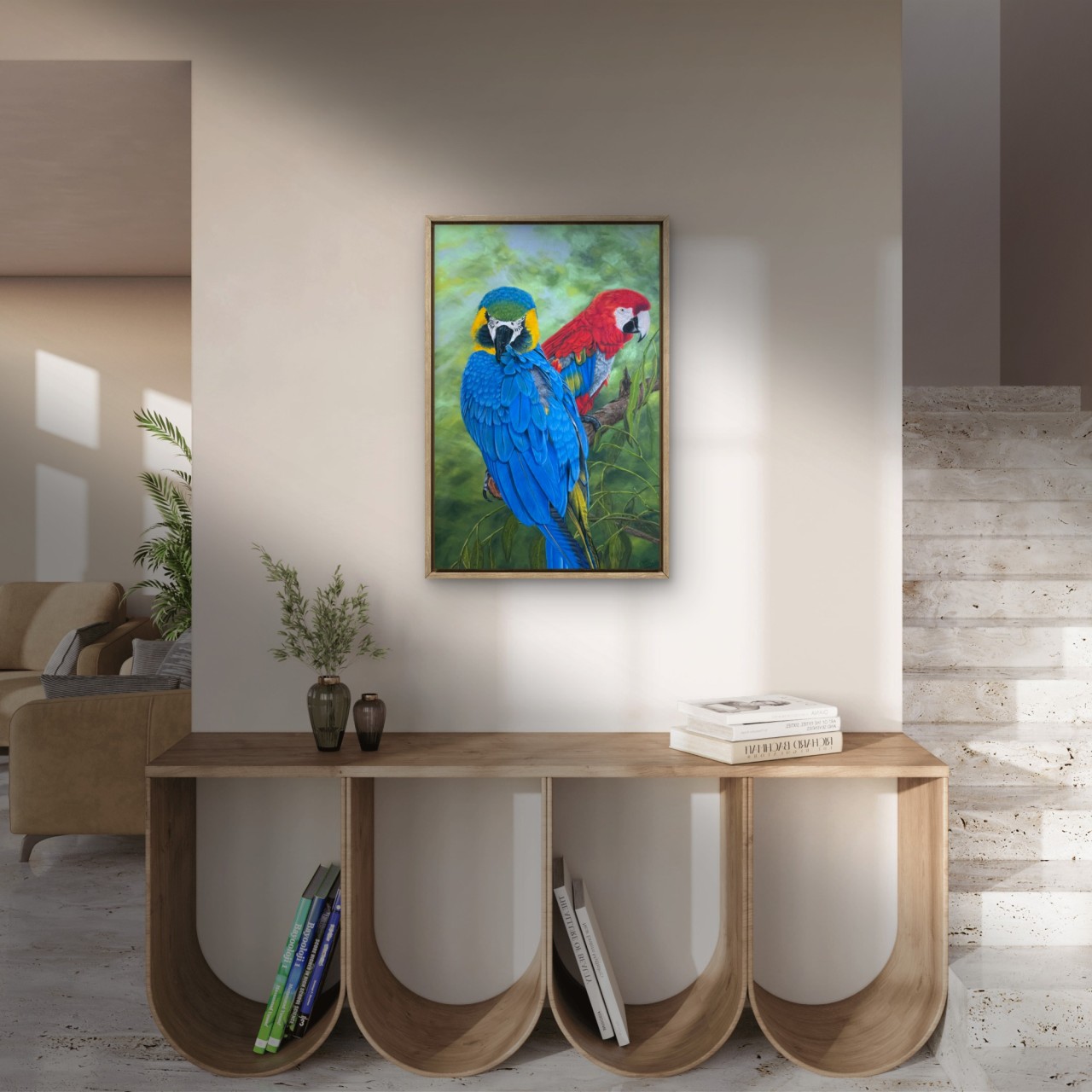
You’re capturing life.
Movement.
Spirit.
Story.
They value:
- Rare work
- Limited editions
- Unique pieces
- Art that isn’t mass-produced
If everything you create is:
- Always available
- Reproduced endlessly
- Constantly discounted
- Uploaded randomly
There’s no sense of rarity.
Exclusivity doesn’t mean being unapproachable.
It means being intentional.
Instead of uploading artwork sporadically, consider:
- Releasing curated collections
- Limiting edition sizes clearly
- Creating one-of-a-kind originals that are never recreated
- Offering small, thoughtful bodies of work
- Themed series (endangered species, Australian natives, island wildlife, etc.)
Collectors aren’t looking for “more.”
They’re looking for meaningful.
2. Scarcity: Real Urgency, Not Fake Hype
Scarcity increases perceived value.
Not fake countdown timers.
Not pressure tactics.
But real, structural scarcity.
For example:
- Only 10 prints available
- Exhibition open for 4 weeks only
- A seasonal collection that won’t be repeated
- A body of work tied to a specific conservation theme
When availability is limited, decisions happen faster.
If everything is permanently available, there’s no reason to move. I find that in my own creative barn membership, if people see the doors are always open, then they will join later, but if the doors are closing, or the price is going up, then they will join straight away.
Scarcity works beautifully in wildlife branding.
For example:
- A limited series raising funds for one species
- A collection available only during a specific exhibition
- A body of work tied to a conservation month
- A small edition print run where proceeds support a cause
When collectors know:
“This piece supports something meaningful,”
and
“There are only 25 available,”
The decision becomes emotional — not just decorative.
3. Minimalism Signals Confidence
Luxury branding is rarely loud.
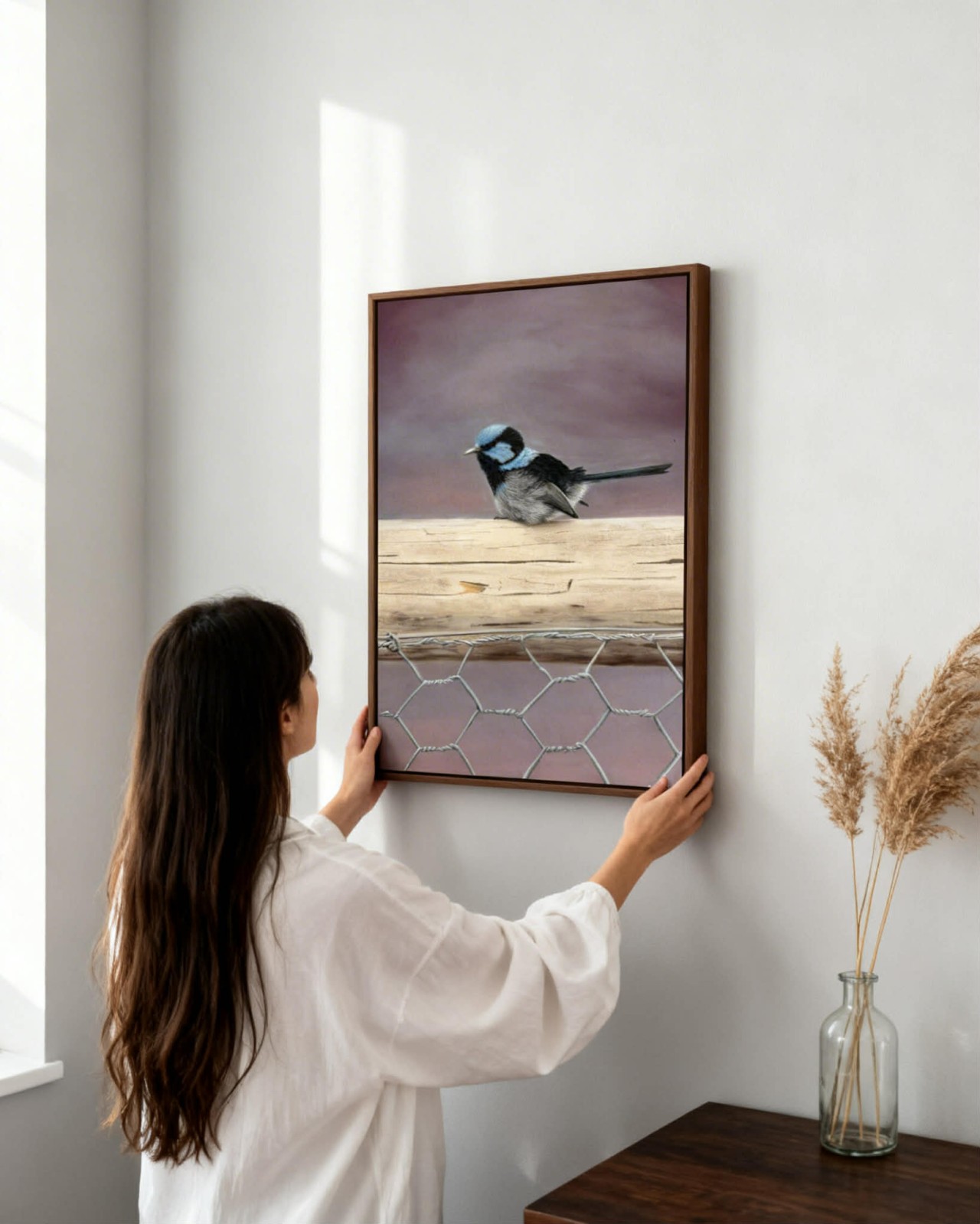
It’s calm.
Clean.
Uncluttered.
Confident.
If your website has:
- Multiple competing fonts
- Bright, clashing colours
- Overwhelming menus
- Endless scrolling product pages
It creates cognitive overload.
Minimalism says:
“The work speaks for itself.”
This might look like:
- A neutral background
- Large, high-quality imagery
- Simple navigation
- Clear pricing
- Fewer, stronger pieces
Wildlife art already carries strong visual presence.
Let it be the hero.
4. Presentation Changes Perception
This is one of the most overlooked elements of positioning.
If your artwork is photographed:
- In poor lighting
- On a cluttered table
- Cropped awkwardly
- Without scale or context
- Or taken on the floor
It lowers perceived value — even if the artwork is exceptional.
High-end buyers visualize art in beautiful spaces.
So help them imagine it there.
Use:
- Elegant interior mockups
- Neutral, styled settings
- Professional framing
- Clear scale references
Help collectors visualize your art in a space that reflects their lifestyle.
Because high-end wildlife collectors often care deeply about:
- Sustainability
- Natural materials
- Organic design
- Environmental responsibility
Your presentation should echo that.
You are letting them imagine it in these luxury spaces. I like to use frameit to create work in situ images, because I don’t have the right walls to make the piece look amazing, then using these apps really help.
Share screen to show these images
And imagination is powerful.
5. Storytelling: Your Real Advantage
Luxury collectors don’t just buy art.
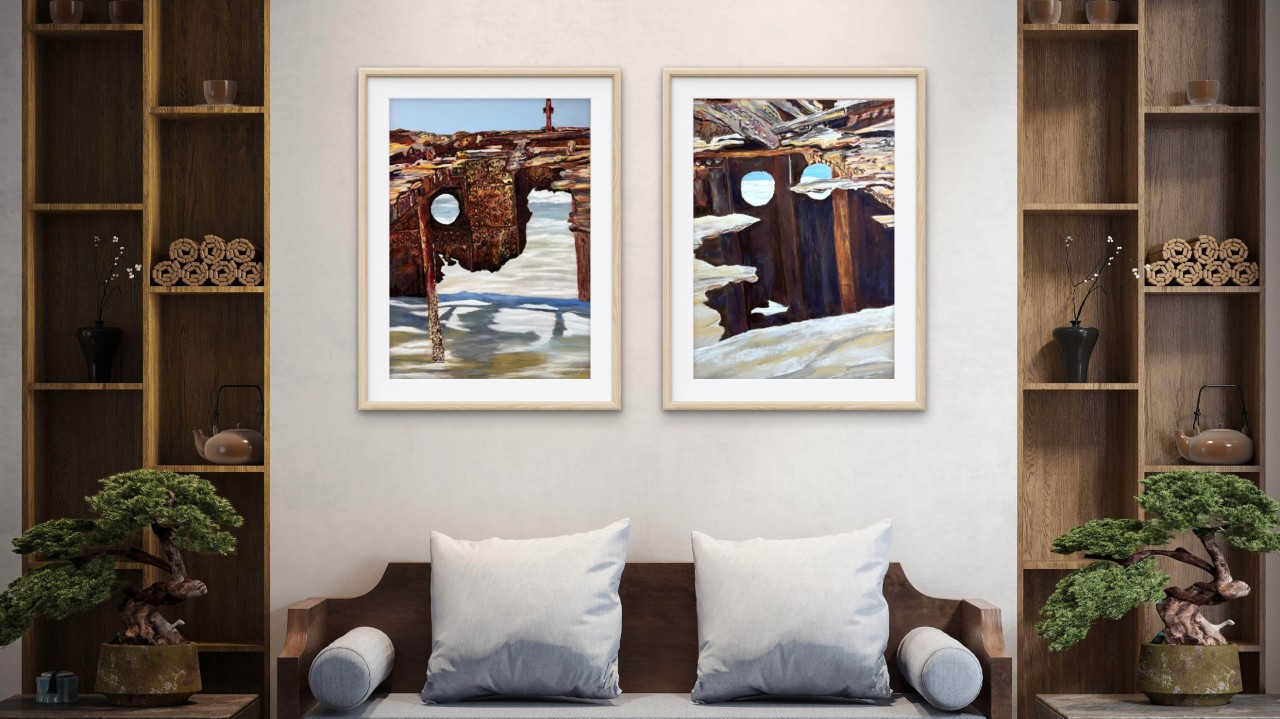
They buy:
- Story
- Emotion
- Meaning
- Human connection
In a world of AI images and mass-produced prints, humanity is premium.
If your description says:
“Soft pastel on paper. 60 x 80cm.”
You’re not adding depth to the piece
You transform the piece from “animal portrait” to “meaningful investment.”
- Why you created the piece
- What inspired it
- What the animal represents
- What was happening in your life at the time
- Why it matters to you
- Your personal connection
- The conservation challenges it faces
Collectors invest in narrative.
And if your work carries conservation themes, regional stories, personal evolution or connection to place — that isn’t fluff.
That’s value.
6. Pricing Confidence
This is the uncomfortable one.
Humans associate higher price with higher value. It’s called price-quality inference.
If your work is priced too low, it can actually deter serious buyers.
They may assume:
“It must not be significant.” Or your work isn’t high quality. Or you’re a beginner. This is fine if you are just starting out, but I’m talking about reaching luxury buyers, so if this is resonating with you, then you are probably further along your skill path and creating you own unique artwork at a high skill level.
This doesn’t mean doubling your prices overnight. Your prices should grow with you.
It means:
- Increasing gradually
- Creating a clear pricing structure
- Avoiding constant discounts
- Pricing with confidence
Luxury buyers are not bargain hunting. They are after a statement piece that they connect to and can fall in love with.
7. Not Everyone Is Your Buyer
This part is freeing.
If you try to appeal to everyone, you dilute your positioning.
Luxury positioning is about creating depth to your work
Not everyone will value wildlife art deeply.
But some people care about nature intensely.
Some people:
- Travel to wild places.
- Support environmental charities.
- Want their homes to reflect their values.
- Collect pieces that feel grounded and meaningful.
That is your audience.
Luxury positioning isn’t about reaching everyone.
It’s about aligning with the right people.
You don’t need mass appeal.
The Bigger Question
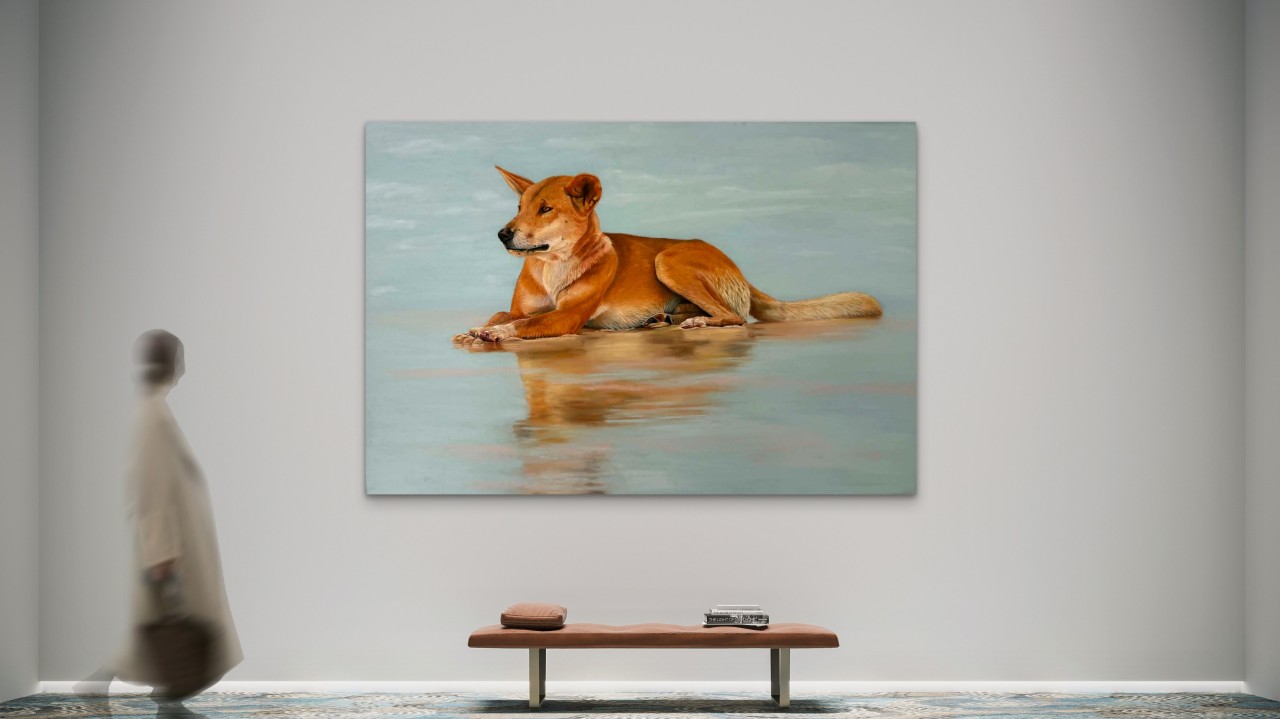
If someone had just completed a $50,000 renovation…
If they hired an interior designer…
If they were searching for meaningful wildlife art…
Would your brand feel aligned with that space?
That’s not ego.
That’s positioning.
And positioning is something you control.
Final Thought
There are wealthy collectors in the world.
They are buying art right now.
The question isn’t whether they exist.
The question is — are you positioned for them?
Exclusivity.
Scarcity.
Minimalism.
Presentation.
Story.
Confidence.
None of that requires social media.
It requires clarity.
Kerri xx
Click Here like to download the Luxury Buyer Positioning Checklist