The Power of 1000 True Fans
 Kerri Dixon
Why Artists Don’t Need Millions of Followers: The Power of 1000 True Fans
For a long time, artists were told that success meant becoming famous.
Get more followers.
Go viral.
Beat the algorithm.
Post more reels.
Grow faster.
And honestly? It’s exhausting.
Social media can make artists feel like they’re failing if they don’t have huge numbers attached to their name. Especially now, when it feels like every platform rewards noise, speed, and constant content creation.
But there’s another idea that completely changes the conversation.
It’s called 1000 True Fans.
The concept was originally written about by Kevin Kelly, and the basic idea is this:
You don’t need millions of followers to build a successful creative career.
You need a smaller group of people who genuinely care about your work.
People who:
- follow your journey
- engage with your art
- support your projects
- buy your work
- join your classes
- tell others about you
- and keep coming back because they feel connected to what you create
That’s a true fan.
And honestly, I think this idea is especially important for artists to hear right now.
The Internet Has Confused Attention With Connection
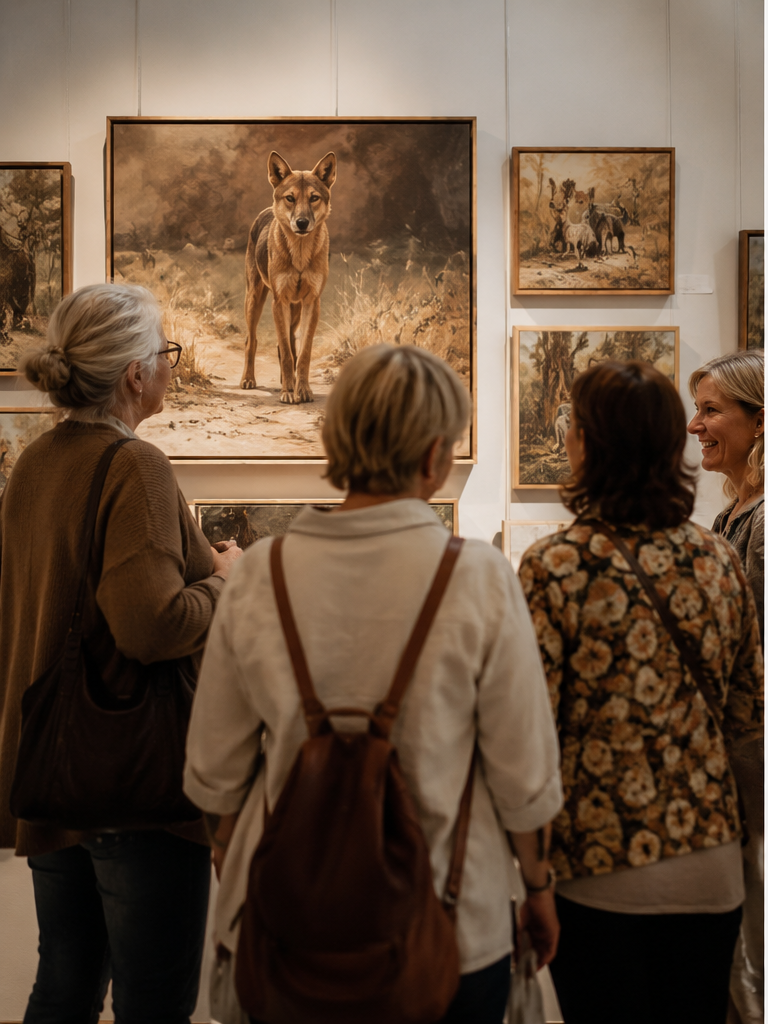
A lot of artists are chasing visibility without realising visibility alone doesn’t build a sustainable career.
You can have:
- 100,000 followers and barely sell a painting
- or 500 loyal supporters who consistently buy, learn, share, and support your work
Those two things are very different.
Follower counts don’t always equal community.
And I think many artists — especially women over 50 — feel defeated before they even begin because they assume they’re “too late” to build something online.
Maybe you don’t know how to edit videos.
Maybe you don’t understand trends.
Maybe you don’t want to dance on TikTok just to sell a painting of a cow.
Honestly… fair enough.
But the good news is this:
You probably don’t need a massive audience.
You need connection.
Why Older Artists Often Have an Advantage
This might surprise people, but I actually think older artists often have a huge advantage when it comes to building a loyal audience.
Because real connection doesn’t come from perfect content.
It comes from:
- stories
- life experience
- emotional depth
- consistency
- authenticity
- shared values
People connect with artists who feel real.
And in a world full of polished marketing and AI-generated noise, being real has become incredibly valuable.
Your audience doesn’t just want a finished painting.
They want:
- the story behind it
- the meaning
- the process
- the struggles
- the passion
- the person creating it
That’s why artists who openly share their creative life often build stronger communities than artists who only post finished artwork.
What Is “Romance Marketing”?
You may have also heard the term romance marketing.
It sounds a bit dramatic, but the idea is actually very simple.
Romance marketing is about building emotional connection with your audience instead of constantly trying to “sell” to them.
It’s inviting people into your world.
Not in a fake or manipulative way.
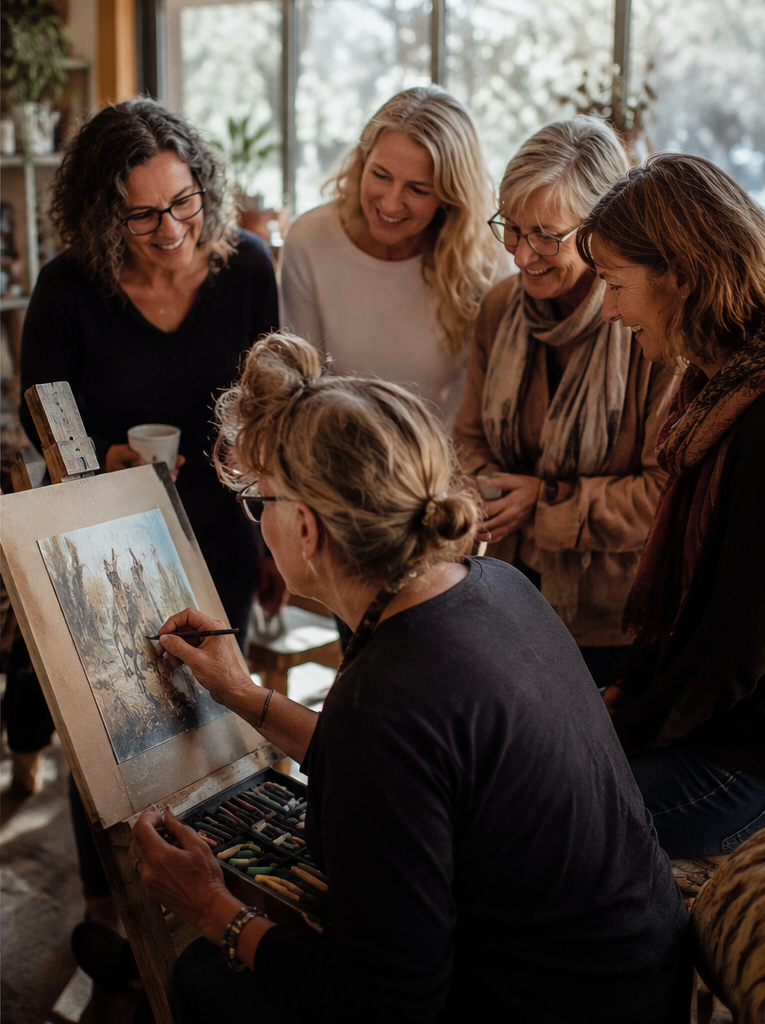
In a human way.
For artists, this can look like:
- sharing works in progress
- talking about what inspired a piece
- showing your messy studio
- sharing your reference photos
- talking about your creative struggles
- letting people see your daily life
- telling stories about the animals or places you paint
People don’t just buy paintings.
They buy meaning.
They buy connection.
They buy a feeling.
A painting of a dingo means more when someone understands your connection to K’gari and conservation.
A pastel painting becomes more valuable when people have watched it slowly come to life over weeks inside your studio.
That emotional connection matters.
Artists Need to Stop Thinking Like Content Creators
This is something I think about a lot.
Artists are not meant to spend their whole lives trying to “hack” social media.
Yes, marketing matters.
Yes, consistency matters.
But I think artists sometimes forget that the goal isn’t just attention.
The goal is trust.
Trust is what builds:
- memberships
- workshops
- retreats
- art sales
- loyal collectors
- supportive communities
Trust is built slowly.
Usually through hundreds of small moments over time.
A weekly live video.
A story post.
An email newsletter.
A behind-the-scenes photo.
A conversation in comments.
A shared experience.
These things may seem small individually, but together they create familiarity and connection.
And connection is what turns casual followers into true fans.
Why Email Lists Matter More Than Ever
One of the biggest lessons many artists learn the hard way is this:
Social media followers are borrowed.
Email subscribers are owned relationships.
Algorithms change constantly.
Accounts disappear.
Platforms rise and fall.
But when someone joins your email list, they are choosing to stay connected to you directly.
That matters.
Your email list doesn’t need to be enormous either.
A smaller list filled with people who genuinely care about your work is far more valuable than a huge audience that never engages.
Building a Creative Career Slowly Is Still Valid
I think social media has made many artists feel like they’re behind if they aren’t growing quickly.
But some of the strongest creative businesses are built slowly.
Quietly.
One connection at a time.
One collector at a time.
One student at a time.
One conversation at a time.
There’s something really beautiful about building a career this way because it creates depth instead of just reach.
And honestly, I think many artists would feel happier if they stopped chasing virality and started focusing more on community.
Final Thoughts
Maybe success as an artist isn’t about becoming internet famous.
Maybe it’s about creating meaningful work and building a small group of people who genuinely connect with it.
People who:
- value what you make
- care about your journey
- support your growth
- and feel inspired by what you share
That kind of audience may grow slower.
But it’s often far more sustainable — and far more fulfilling.
Because in the end, art has always been about connection.